When a filter becomes dirty or obstructed, it can cause low fuel pressure, leading to noticeable issues in your vehicle. In this guide, you'll discover how to recognize the most frequent signs of a clogged or failing fuel filter. We'll cover seven key symptoms to help you identify problems early and maintain smooth engine performance.
These Signs Will Let You Know If Something's Wrong
Your fuel filter cleans the fuel before it reaches your engine. This keeps dirt and gunk out and helps protect your engine from damage.
Fuel filters don't last forever. Over time, they get clogged with all the stuff they trap. When that happens, fuel struggles to reach your engine. That's when it's time to clean or replace the filter.
Like most parts of your car, a fuel filter shows signs when it's going bad. Here are seven common symptoms to watch for:
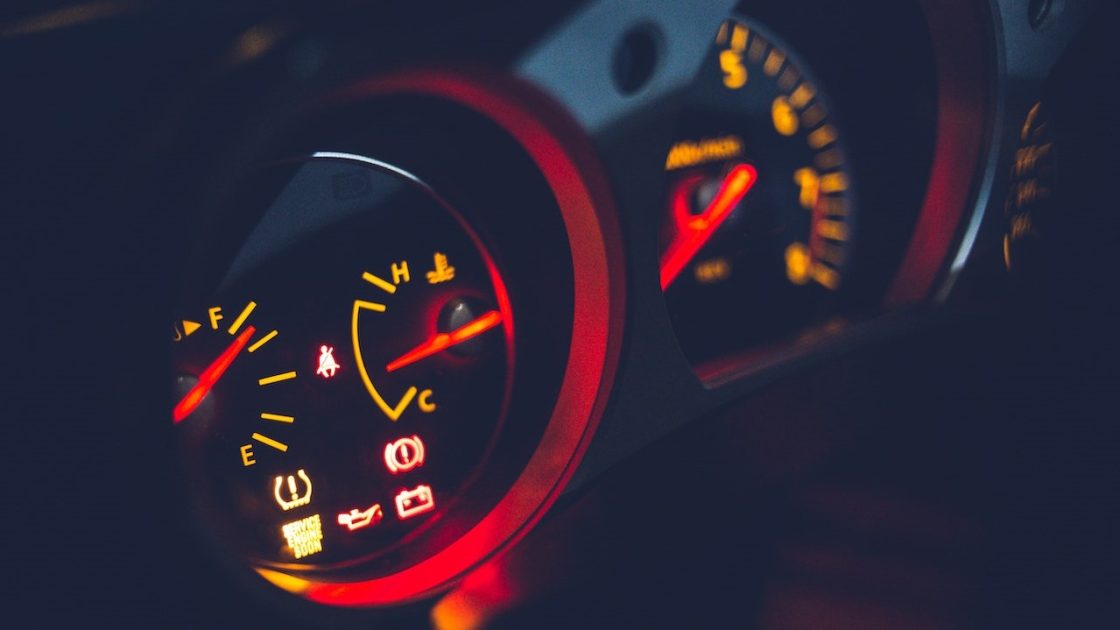
- The check engine light is turning on. If your check engine light comes on, your fuel filter might be the problem.
- Your car is having trouble starting. Your engine needs both air and fuel to start. If your fuel filter is clogged, not enough fuel gets through. Your car might not start at all.
- Your engine stalls. A clogged fuel filter can cause your engine to stall. Even if your tank is full, the engine might not be getting enough fuel to keep running.
- Engine misfires. A badly clogged fuel filter can cause your engine to misfire. This is more likely when you're pushing your engine hard.
- Your fuel pump gets damaged. A clogged filter makes your fuel pump work too hard. That can wear it out or even break it.
- You suffer from poor fuel economy. A clogged fuel filter can make your engine burn more fuel than it should. You'll notice your car using gas faster than normal.
- You'll smell a noticeable odor. Smelling strong fuel odors from your car? A bad fuel filter could be the cause. Your engine might be burning more fuel than usual.
If you suspect a clogged fuel filter, you likely still have questions. Below, we answer common concerns, including repair costs, risks and what to do if fixing your car isn't worth it.
How much does a fuel filter replacement cost?
Fuel filter replacement typically costs between $50 and $150, including parts and labor. The price can vary depending on your vehicle make, model, and local labor rates.
Can a clogged fuel filter damage my engine?
Yes, a clogged or dirty fuel filter can restrict fuel flow, causing poor engine performance and strain. Over time, it may lead to engine misfires, stalling or even damage to the fuel pump.
Is there a temporary fix for a clogged fuel filter?
There's no reliable temporary fix for a clogged fuel filter. Some attempt to tap or blow it out, but replacement is the only safe and effective long-term solution.
How often should I replace my fuel filter?
Most vehicles recommend replacing the fuel filter every 20,000 to 40,000 miles but always check your owner's manual for the specific interval suggested for your car.
Could these symptoms mean a bigger problem, like a bad fuel pump?
Yes, similar symptoms like engine sputtering, difficulty starting, or stalling could also indicate a failing fuel pump. It's important to diagnose both the filter and pump properly.
Can I Drive My Car with a Clogged Fuel Filter?
You may still be able to drive your car short distances with a clogged fuel filter, but doing so comes with risks.
A restricted fuel supply can cause the engine to lose power or stall unexpectedly while driving. That can become dangerous in any condition while driving, but especially in traffic and in the middle of intersections or while merging onto busy roads. Even if the automobile still runs, the condition will usually continue getting worse over time and may eventually damage other fuel system components.
Where Is the Fuel Filter Located in My Car?
The fuel filter is usually located somewhere along the fuel line between the gas tank and the engine. Depending on your vehicle, it may be found under the hood, underneath the car near the fuel tank or even inside the gas tank itself. Many modern vehicles place the filter inside the fuel pump assembly. Because locations vary widely between makes and models, checking your owner’s manual is often the easiest way to find it.
Can Bad Fuel or Low-Quality Gas Clog a Filter Faster?
Yes, poor-quality gasoline or fuel contaminated with dirt and debris can clog your fuel filter much sooner than expected. The filter is designed to trap contaminants before they reach the engine, so dirty fuel causes it to fill up faster.
Drivers with high mileage vehicles or who regularly use unreliable gas stations may notice fuel system problems more often. Using cleaner fuel and replacing the filter on schedule can help extend the life of your engine and fuel system.
Will a New Fuel Filter Improve My Car's Performance Right Away?
In many cases, replacing a clogged fuel filter leads to noticeable improvements almost immediately. You may notice smoother acceleration, quicker engine response, easier starting and better fuel economy after the repair. Once the engine receives a steady flow of fuel again, it can operate more efficiently and consistently. If the filter was severely clogged, the difference in overall performance may feel dramatic compared to how the vehicle was running before replacement.
Can I Replace a Fuel Filter Myself to Save Money?
Some fuel filters are easy enough for experienced do-it-yourself mechanics to replace at home, especially on older vehicles with accessible fuel lines. However, many newer vehicles require specialized tools and procedures because the filter may be located inside the gas tank. Fuel systems are also pressurized, which can create safety concerns if handled incorrectly. If you are unsure about the process, having a professional mechanic perform the replacement is often the safer option.
Does a Clogged Fuel Filter Affect My Car's Emissions?
A clogged fuel filter can affect your vehicle’s emissions because restricted fuel flow may cause incomplete combustion inside the engine. When fuel is not delivered properly, the engine may burn inefficiently and produce higher levels of harmful exhaust emissions. In some cases, this can even cause your vehicle to fail an emissions or smog test. Addressing fuel filter issues early can help keep your engine cleaner and improve overall environmental performance.
Is Your Old Car Stressing You Out? Here's a Convincing Solution
A bad fuel filter is an easy fix. But if your car has a bunch of problems and it's draining your wallet, it might be time to let it go.
Don't worry! You can still do something good with your car. When you donate it to Breast Cancer Car Donations, you'll help save lives. We'll auction it off and use the money to support breast cancer nonprofits. These groups provide important breast health services to people who need them.
These trusted nonprofit groups help people with breast cancer who don't have insurance or money. They connect patients to top cancer centers and help pay for treatment, doctor visits, medicine, and more. Some people also get free screenings and education.
We make it easy to get rid of a car you don't want anymore. You can check our list here to see what types of vehicles we accept.
We'll tow your car for free, no matter where you are in the U.S.
When you donate, you can get the highest possible tax deduction for next tax season.
Best of all, you'll feel great knowing your donation could help save lives.
Want to learn more about how it works? Check out our FAQ page. You can also call us anytime at 866-540-5069 or send us a message.
[caption id="attachment_21508" align="alignnone" width="1120"] Photo by Styves Exantus under Pexels License[/caption]
Turn Your Beater into a Miracle Maker Today!
Don't let your car stress you out any longer. Turn it into something powerful that helps people with breast cancer. Call Breast Cancer Car Donations at 866-540-5069 or fill out our secure online donation form today!