The Total Cost Depends on the Kind of Scratches That Your Car Has
In this guide, you’ll discover the typical costs involved in repairing various types of car scratches, from minor surface marks you can handle on your own to deep gouges that require expert repair. You’ll also learn how a vehicle with cosmetic damage can still play a meaningful role in supporting breast cancer patients through donation.
Scratches can happen anytime, anywhere. Whether your car is parked or on the road, it’s always at risk. Most of the time, you won’t even notice when or how it happened. It’s frustrating, especially if you care about keeping your car looking good.
Scratch repair costs depend on how deep the damage goes. Light scratches are usually easy to buff out. Deeper ones need more work and cost more to fix. Shops also charge different rates, so prices can vary.
The 4 Types of Paint Scratches and Their Estimated Costs
Your automobile’s paint has three layers: clear coat, paint and primer. If the scratch only hits the top layer, it’s cheaper to fix. You can often handle light scratches yourself. But if the scratch goes through all the layers, you’ll need a pro.
Breast Cancer Car Donations lists four types of scratches below as well as their estimated repair costs:
- Scuffs Scuffs are light scratches on the surface. You can rub them out with a polishing compound. No need to visit an auto shop.
- Clear-coat scratch This type of scratch is deeper than a scuff but still in the clear coat. You can fix it yourself, but it takes sanding and polishing. Shops usually charge $150 to $300 for this kind of scratch.
- Paint scratch This scratch goes into the paint layer. It needs repainting, which means the whole panel has to be redone. It may cost you $400 to $1,000.
- Deep scratch This scratch cuts through all paint layers and exposes the metal or plastic. It needs pro repair and may cost $800 to $1,500.
How do scratches lower my car’s value?
Scratches can significantly reduce a car's resale or trade-in value. Even minor surface damage can make a vehicle appear poorly maintained, which may deter potential buyers or prompt dealers to offer less. Visible scratches affect a car’s aesthetic appeal and may suggest underlying damage or neglect. When it comes to selling or trading in your car, first impressions matter. A scratched exterior can imply that the owner hasn't taken good care of the vehicle overall. In used car markets, vehicles in excellent cosmetic condition tend to fetch higher prices, so maintaining a scratch-free exterior can protect your investment.
Can scratches cause rust or bigger problems if not fixed?
Yes, scratches (especially those that penetrate the clear coat and paint layers) can expose the underlying metal to moisture and air. Over time, this exposure can lead to rust, which weakens the car’s structure and spreads if left untreated. Small chips or scratches may seem harmless initially, but as rust develops, it can eat away at the metal, making repairs more expensive and extensive later on. In some cases, rust damage can even lead to safety issues. Addressing scratches early can prevent these bigger, costlier problems and extend the life of your car’s exterior.
Are There Cheap or Green Ways to Fix Scratches?
For light surface scratches, you can find affordable do-it-yourself scratch removal kits at auto stores or online. These typically include compounds that buff out the scratch and restore the paint's finish. For eco-friendly solutions, look for biodegradable or non-toxic products. Some car owners even use household items like toothpaste (which acts as a mild abrasive) to treat very shallow marks. Touch-up paint pens are another low-cost, low-waste option, especially for color-specific damage. If you prefer professional help, consider mobile or local shops that offer eco-conscious repair services using water-based paints or sustainable practices.
Is It Risky to Try Fixing Scratches Myself?
Fixing scratches yourself is possible and often safe if you're dealing with minor, surface-level damage. However, deeper scratches that reach the primer or bare metal can be tricky. Improper repair attempts may make the damage more noticeable or even worsen it, particularly if you use the wrong materials or don’t properly prep the area. There's also a risk of uneven paint application, mismatched colors or removing too much of the surrounding clear coat. If you’re unsure of the scratch’s depth or lack experience, it’s worth consulting a professional to avoid causing further harm or decreasing your car’s value.
How Often Should I Check My Car for Scratches?
It’s a good idea to inspect your car for scratches every few weeks, especially after frequent transportation in areas with loose gravel, near bushes or trees or in tight parking lots. Seasonal changes can also increase the chance of scratches due to scraping or debris. Routine checks help you catch minor damage early, allowing for simpler and less costly repairs.
Make scratch checks part of your regular car maintenance schedule, such as during car washes or oil changes. Early detection not only protects your car’s appearance but also prevents long-term issues like rust.
What Can I Do if Fixing Scratches Costs Too Much?
If professional repair costs are out of reach, there are still practical alternatives. Consider using DIY kits or touch-up pens to conceal smaller blemishes. Many auto parts stores offer inexpensive scratch solutions, and online tutorials can guide you through the process. Some local vocational schools or community colleges with auto body programs may offer low-cost services as part of student training. If the scratches are purely cosmetic, it may make sense to leave them as-is, especially if the car is older or not intended for resale. Ultimately, maintaining the car mechanically is more important than flawless aesthetics.
How Can I Tell If a Scratch Is Just Cosmetic or Could Lead to Bigger Problems Later?
Not every scratch is just a surface issue. Some scratches only affect the clear coat and are mostly cosmetic, while deeper scratches can expose the metal underneath your car’s paint. A simple way to check is by looking closely at the damaged area after washing it. If the scratch changes color or seems to disappear slightly when wet, it may only affect the surface layer. However, if you can see rough metal and darker coloring or signs of rust beginning to form, the damage is likely more serious. Deep scratches allow moisture and dirt to reach the metal, which can eventually lead to corrosion and expensive repairs if ignored for too long.
What Should I Do First After Noticing a Scratch on My Car?
The first thing you should do after noticing a scratch is wash and dry the area carefully. Dirt and road debris can make the damage appear worse than it really is, so cleaning the surface helps you see the true extent of the scratch.
Once the area is clean, inspect it in good lighting to determine whether it looks shallow or deep. Minor surface scratches may be manageable with a DIY repair kit or polishing compound, while deeper damage may require professional attention. Acting quickly can also help prevent moisture from reaching exposed areas and causing additional problems later on.
Can I Still Donate My Car If It Has Both Scratches and Minor Mechanical Issues?
Yes! Many vehicle donation programs, including Breast Cancer Car Donations, will still accept cars that have cosmetic damage and minor mechanical problems, provided you legally own the vehicle and can provide the proper paperwork. Scratches, dents, worn paint or small functional issues often do not prevent a vehicle from qualifying for donation. In many cases, donated vehicles are sold through auction and the proceeds go toward supporting charitable programs and services. Donating a car with visible wear can also save you from spending money on repairs that may not significantly increase the vehicle’s value. It can be a simple way to clear space while supporting a meaningful cause.
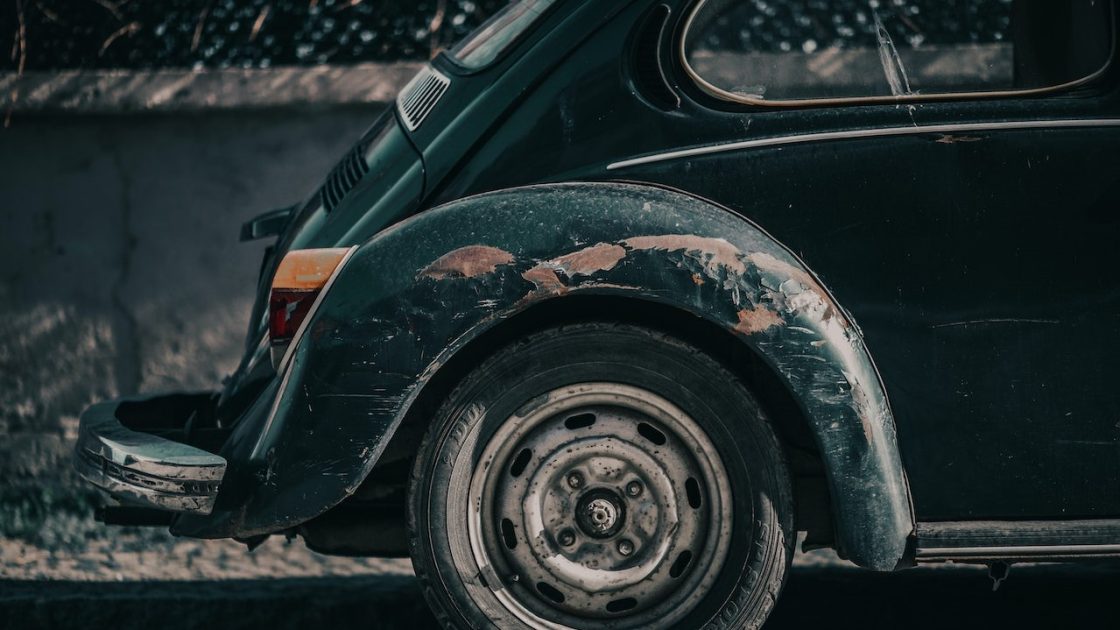
[caption id="attachment_22206" align="alignnone" width="1120"]
 Photo by Tara Winstead under Pexels License[/caption]
Your Damaged Car Can Help Save Lives of Breast Cancer Sufferers
Scratches and dents don’t make your car worthless. It still has value. You can use it to help breast cancer patients when you donate it to Breast Cancer Car Donations.
We auction your car and use the funds to support our nonprofit partners. These charities help people get breast cancer treatment, even if they can’t afford it. They also offer free screenings, follow-up care and education.
Donating your drive is an easy and rewarding way to let it go. You get the biggest possible tax deduction. We’ll also pick it up and tow it for free anywhere in the U.S.
The best part? You’ll feel great knowing your car is helping save lives.
We accept nearly any type of vehicle, no matter the age or condition.
Check out our FAQs to see how easy it is to donate. You can also call us at 866-540-5069 or send us a message if you have questions.
Join the Fight Against Breast Cancer Today!
You can help breast cancer patients in your community. Your car donation gives them hope and support. Call 866-540-5069 or fill out our secure donation form today!