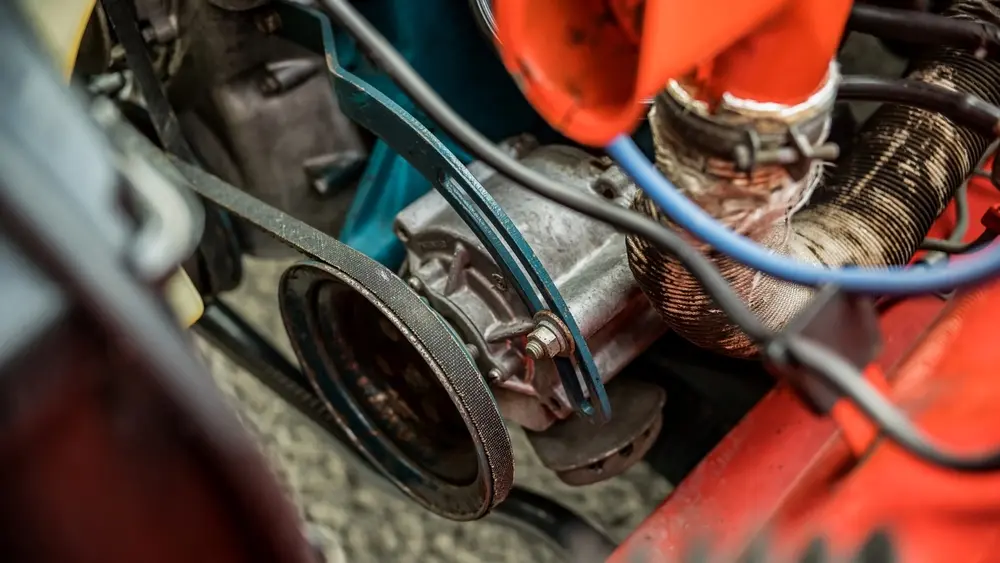
A rising temperature gauge, a sweet smell, or a puddle under your car can signal cooling system trouble. Learning the warning signs your car radiator is failing fast can help you act before overheating causes expensive engine damage.
These clues do not prove the radiator is faulty or predict when it will fail. Several parts can cause similar symptoms. If the temperature warning comes on or steam escapes from under the hood, pull over safely and shut off the engine.
What Does a Car Radiator Do?
Coolant absorbs heat as it moves through the engine. It then flows through the radiator, where thin tubes and metal fins help release that heat into the surrounding air.
Air moving through the grille, assisted by cooling fans when needed, carries heat away. The cooled fluid returns to the engine, helping keep operating temperatures within the proper range.
Warning Signs of a Faulty Radiator
The first signs of a bad radiator often involve temperature changes, coolant loss, or visible damage. Note when symptoms happen and share those details with a repair shop.
#1 Engine Overheating Warning Signs
A temperature gauge climbing above its normal range or reaching the red zone needs immediate attention. A coolant temperature warning light is another reason to stop safely rather than finish your trip.
Steam under the hood may mean hot coolant is escaping or boiling. Smoke can have other causes, including leaking oil or electrical trouble. Do not assume either is harmless or open the hood while steam is escaping.
#2 Coolant Levels and Leak Clues
Radiator coolant leak symptoms include wet spots near the radiator, dried residue, sweet odors, and puddles beneath the vehicle. Coolant can be green, orange, pink, blue, or another color. Color alone cannot identify a fluid.
Repeatedly low coolant needs investigation, even without a puddle. Fluid may escape only under pressure, collect on underbody panels, or leak internally elsewhere in the engine. Clear water from air conditioning condensation is usually normal.
#3 Radiator Cap, Hoses, and Fins
A faulty pressure cap can allow coolant loss or boiling at a lower temperature. Cracked hoses and loose connections can also leak, even when the radiator itself is sound.
Bent fins or debris between them can restrict airflow. Clogged radiator symptoms may include overheating without an obvious leak, but internal blockages require diagnosis because other cooling problems can look similar.
What Causes a Bad Radiator?
Three main causes are corrosion, aging or damaged tanks and seals, and blocked coolant passages. Neglected or incorrect coolant can reduce corrosion protection. Plastic tanks can crack after years of heat cycles, while sludge can restrict coolant flow.
Road debris can damage the radiator, too. Abnormal system pressure may strain weak areas, so a technician should check related components rather than replace the radiator without identifying contributing problems.
How to Diagnose a Bad Radiator
Check the coolant reservoir only when the engine is fully cold, following the owner's manual. Look for changes in level, visible leaks, or unusual contamination. Never remove a hot radiator or pressurized reservoir cap.
Rusty, oily, or sludgy coolant warrants inspection. A technician can pressure-test the cooling system and cap, locate hidden leaks, and check radiator performance. Coolant appearance alone cannot confirm which component failed.
Is It the Radiator or Another Cooling Component?
A stuck thermostat, failing water pump, damaged hose, or faulty cooling fan can cause overheating. Overheating mainly in traffic may suggest an airflow issue. These patterns help guide testing but are not a reliable diagnosis by themselves.
Radiator Repair or Replacement?
Some radiators can be repaired by a specialist, depending on their material and damage. A leaking hose or faulty cap may need replacement without replacing the radiator. Cracked plastic tanks or widespread corrosion often call for a new radiator.
A cooling system flush may remove contamination if the system is otherwise sound. It cannot seal cracks or restore corroded metal. Replacement parts must match the vehicle's cooling requirements and connections.
How Much Will It Cost to Fix a Radiator?
Cost depends on the failed part, vehicle, labor rates, and related damage. AutoZone lists radiator parts from under $100 to more than $1,000, before labor. Ask for a written estimate covering diagnosis, parts, coolant, and installation.
How to Extend Your Car Radiator's Life
Follow the manufacturer's coolant service schedule and use the approved coolant type and mixture. Change intervals vary, so a universal one- or two-year flushing schedule may not fit your vehicle.
Have hoses, connections, and the cap inspected during routine maintenance. Keep fins clear of bugs and debris without bending them. Use premixed coolant as directed; when concentrate requires dilution, follow instructions for distilled or deionized water.
When Engine Overheating Makes Driving Unsafe
If the temperature warning appears, the gauge climbs abnormally, or steam escapes, stop somewhere safe and shut off the engine. Continued driving can damage the head gasket or other engine parts.
Call roadside assistance and arrange towing when needed. Let the engine cool completely before inspection. A falling gauge after shutdown does not prove the problem is fixed or make restarting safe.
When Vehicle Donation Makes Sense
Compare the repair estimate with your car's value, condition, and likely future expenses. If you decide to retire an unwanted vehicle, Breast Cancer Car Donations offers an alternative to arranging repairs or finding a buyer.
We accept many vehicles that no longer run and arrange free pickup for accepted donations. Proceeds support American Breast Cancer Foundation programs, including assistance connected to breast cancer screening and diagnosis. Review our donation FAQs or call (866) 540-5069 to discuss eligibility.
Eligible donors who itemize may qualify for a tax deduction under IRS rules. Consult a tax professional about your circumstances.
Frequently Asked Questions About Radiator Failure
How Long Can You Drive with a Bad Radiator?
There is no safe mileage or time limit. If you are asking, “Can you drive with a bad radiator?” overheating or rapid coolant loss means stop safely and arrange assistance.
How Can You Tell a Radiator Leak from a Hose Leak?
Fluid can travel away from its source. A cold inspection and professional pressure test help locate whether leakage begins at the radiator, hose, clamp, or connection.
When Should You Replace a Radiator Cap?
Replace it if seals are damaged or testing shows incorrect pressure control. Use the specified pressure rating, rather than replacing it solely because it reaches five years old.
What Is the Average Lifespan of a Radiator?
There is no single dependable lifespan for every radiator. Materials, maintenance, climate, and damage affect longevity. Inspection results and symptoms are more useful than age alone when deciding on replacement.