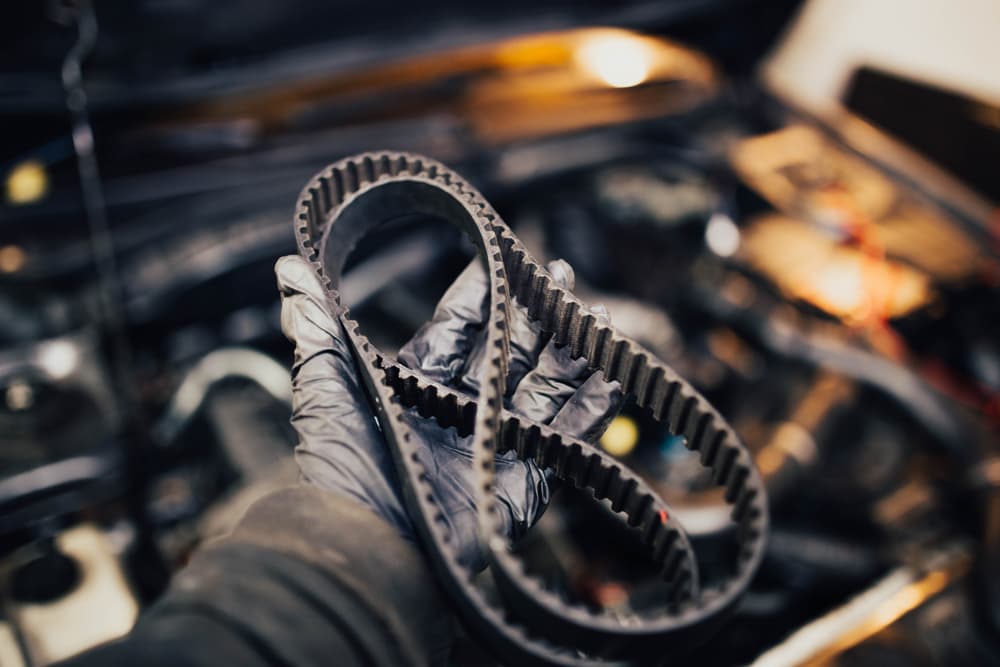
Your timing belt can fail without much warning, and sometimes the first sign is an engine that suddenly stalls. Some belts show wear before they break, but others give you very little warning. Knowing the signs that your car’s timing belt may be about to break can help you act early, before a small issue turns into a major engine problem.
This guide will help you understand what your timing belt does, which warning signs to watch for, what may happen if it breaks, and when a repair could make sense. If serious engine damage makes your older vehicle too costly to fix, donating the vehicle may be another option for you to consider.
What Does a Timing Belt Do?
Your timing belt is a strong, reinforced belt that keeps the crankshaft and camshaft moving together at the right time. This timing helps your engine valves open and close when they should as the pistons move. If the belt slips or breaks, those parts can fall out of sync, and your engine may stop running the way it should.
Not every vehicle has a timing belt. Some engines use a timing chain instead. You can check your owner's manual or ask a repair shop to find out which system your vehicle uses and when the manufacturer recommends service.
Signs of a Failing Timing Belt
No single symptom can tell you for sure that your timing belt is failing. Engine noise, poor performance, trouble starting, and visible belt damage can all have other causes. Still, if you notice several of these signs at the same time, it is a good idea to have your car checked soon.
Ticking or Clicking From the Engine
If you hear a ticking or clicking sound near the engine, it could point to a worn timing belt, a tensioner problem, or another timing part. Pay attention to when you hear the noise, such as when you start the car, let it idle, or speed up. If the sound is new or getting worse, have it checked rather than assuming the timing belt itself is the problem.
Engine Misfires, Rough Idle, or Loss of Power
If your timing belt slips, it can change when the engine valves open and close. You may notice the engine misfiring, idling roughly, running unevenly, or losing power. Many engine problems can cause these symptoms, but a timing issue is one possible cause, especially if you notice other timing-related warning signs too.
Trouble Starting the Engine
You may have trouble starting your car if the timing belt has slipped enough to throw off the engine's timing. If your engine stalls after an unusual noise and then will not start, avoid trying to restart it again and again. A repair shop can inspect the timing system first and help you avoid causing more damage.
Visible Belt Wear
A technician may spot cracks, frayed areas, missing teeth, rubber debris, or other signs that your timing belt is worn. These warning signs can mean the belt material has weakened and may need service or replacement.
Fluid Contamination or Worn Supporting Parts
Oil or coolant around your timing belt can shorten the belt's life. A technician should also check the tensioner and pulleys because worn supporting parts can create timing belt problems even if the belt itself does not look badly damaged.
What Happens If a Timing Belt Breaks?
If your timing belt breaks, your engine may stall right away, and your vehicle will lose engine power. Pull over safely if you can, and do not keep trying to restart the engine. How much internal damage occurs depends mostly on your engine's design and what the engine was doing when the belt failed.
Does a Broken Timing Belt Always Ruin the Engine?
No. Some engines may avoid major internal damage when the timing belt breaks, while others can end up with bent valves or other costly damage. A professional inspection can show you what happened and give you the information you need before deciding whether to make repairs.
Interference vs. Non-Interference Engines
In an interference engine, the pistons and valves use some of the same space, but at different times. If the timing belt breaks and those parts fall out of sync, they can hit each other and cause serious damage inside the engine. In a non-interference engine, the parts may avoid that collision, but your engine still cannot run properly with a broken timing belt.
What Causes a Timing Belt to Fail Early?
Age and everyday wear can weaken your timing belt over time. Heat, oil or coolant contamination, and problems with the tensioner or pulleys can also make the belt wear out sooner. Skipping the manufacturer's replacement schedule can raise the chance of a failure, especially if you do not know the vehicle's full service history.
Can You Drive With a Failing Timing Belt?
Driving when your car shows clear signs of a timing problem can be risky because you cannot reliably predict when the belt might break. If it suddenly fails, your engine can shut down, and the failure may cause expensive damage to parts inside the engine.
If you hear new timing-related noises along with misfires, rough running, or trouble starting, stop somewhere safe and arrange for an inspection or tow. Trying to keep driving just to reach a repair shop could turn a service issue into a much bigger and more expensive repair.
When Should a Timing Belt Be Replaced?
The right time to replace a timing belt depends on your vehicle, so use your owner's manual and the manufacturer's service schedule as your guide. Many recommended replacement intervals fall around 60,000 to 100,000 miles, but the correct mileage for your car may be different.
Your car's service history matters even more when you buy or maintain a used vehicle. During timing belt service, a shop may also suggest replacing related parts that wear out, such as the tensioner and, on some vehicles, the water pump, while that part of the engine is already easy to reach.
How Much Does Timing Belt Replacement Cost?
The cost to replace your timing belt depends on your vehicle, the engine layout, the amount of labor needed, and which parts are replaced during the service. Your bill can become much higher if the belt has already broken and damaged the valves, pistons, or other parts inside the engine.
Ask the repair shop for a written estimate that lists the timing belt service separately from any extra repairs. Then compare that cost with your vehicle's age, mileage, overall condition, and other repair needs. Looking at the full picture can help you decide what makes the most financial sense for you.
Is It Worth Fixing a Timing Belt Problem?
A timing belt problem found before the belt breaks may be worth repairing, especially if the rest of your vehicle is in good shape. Replacing a worn belt on schedule is usually a very different decision from rebuilding an engine after the belt breaks and causes major damage.
If a broken timing belt has damaged an older engine, look at the whole situation before you decide what to do. Consider the repair estimate, your vehicle's current value, its mileage and body condition, and any other work the car needs before you put more money into it.
Repair or Donate? Options After a Timing Belt Failure
If a timing belt failure leaves you with a car that will not run or a repair bill that is hard to justify, Breast Cancer Car Donations may give you another option. The organization accepts many types of vehicles, including cars that are not running, and offers free pickup across the United States.
After your vehicle is processed, you receive a tax-deductible receipt. Your vehicle donation helps support nonprofit partners that provide breast cancer screening, education, treatment, patient services, and research.
If repairing your vehicle no longer makes sense for you, contact Breast Cancer Car Donations to learn how the donation process works and what information you will need to get started.